
Description
h2>Product Overview
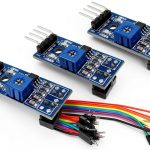
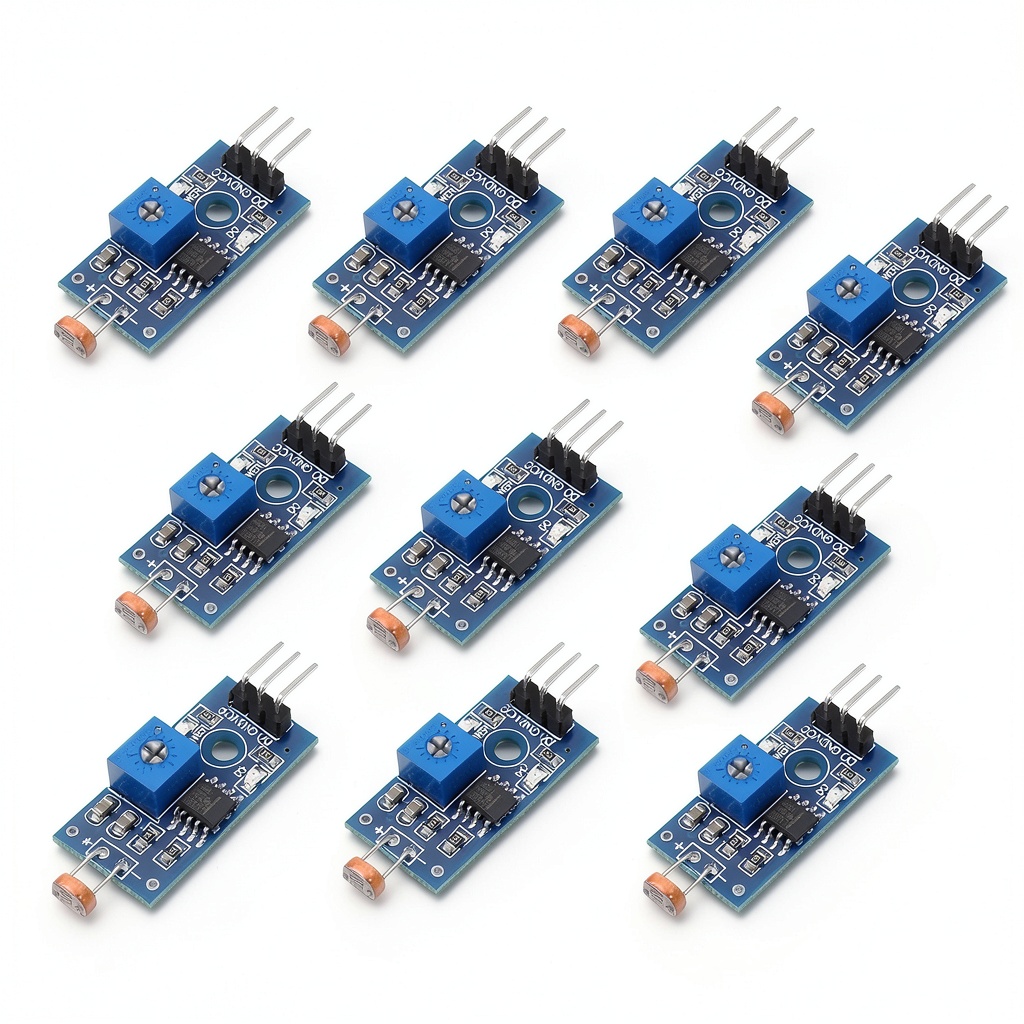
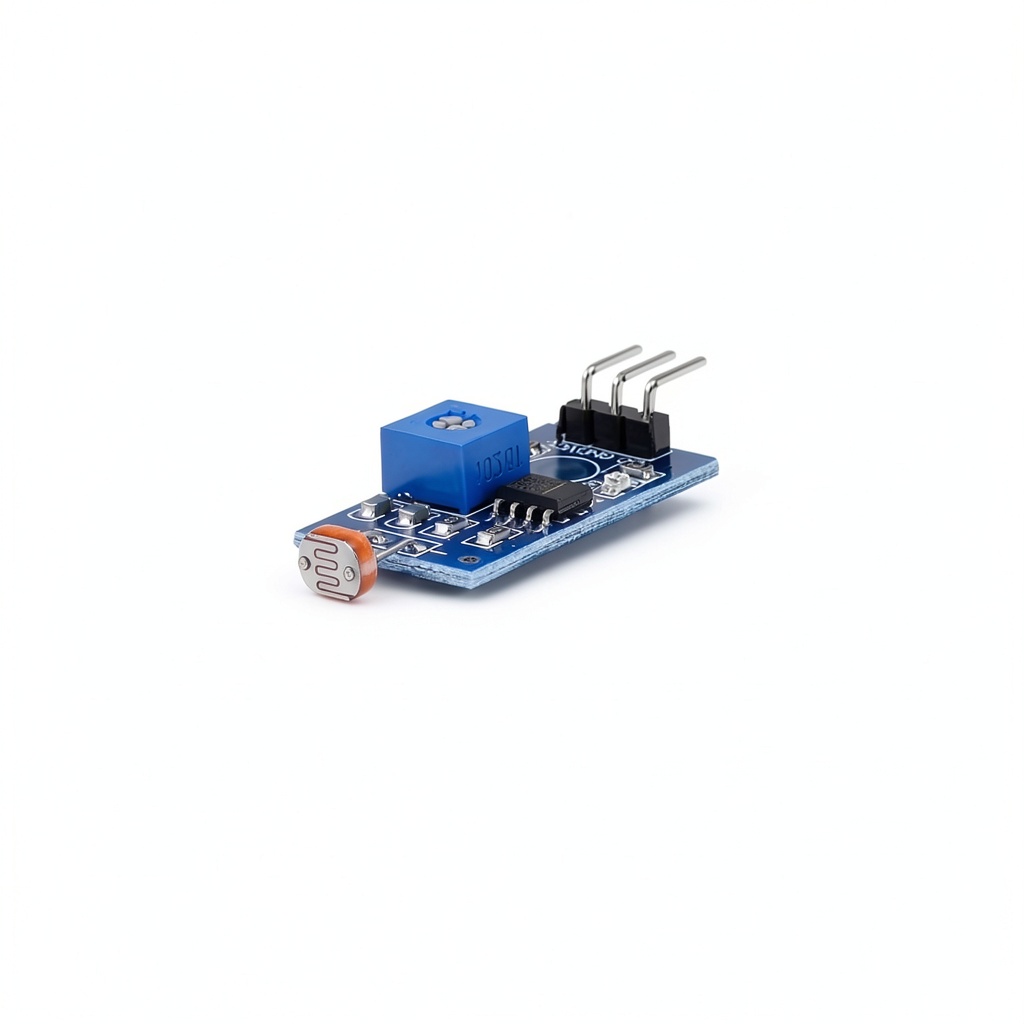
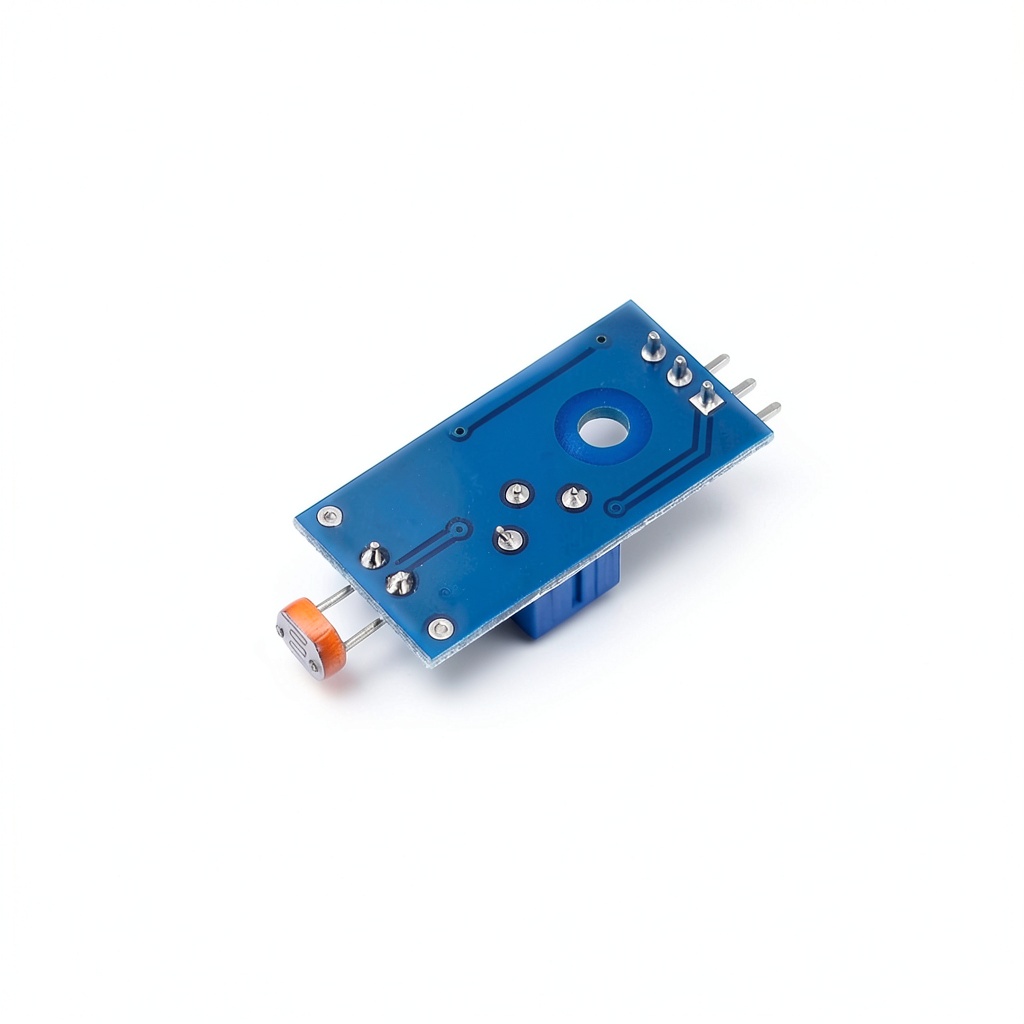
Teyleten Robot 5MM LDR Photosensitive Sensor Module is a compact, reliable digital light detection component designed for Arduino and other microcontroller-based projects. It uses a light-dependent resistor (LDR) to sense ambient light intensity and outputs a digital signal based on predefined thresholds. The module features a 3-pin interface, making it easy to connect to Arduino boards or relay modules. With a compact size of 1.26 x 0.55 x 0.2 inches, it’s ideal for small-scale projects and prototyping. The sensor’s sensitivity allows it to detect even slight changes in light levels, making it suitable for applications like automatic lighting control, light-activated switches, and environmental monitoring systems.
Usage
This sensor is widely used in DIY electronics, robotics, and automation projects. It’s ideal for hobbyists, students, and engineers working on Arduino-based systems. Common applications include light-controlled relays, automatic night lights, smart home automation, and environmental monitoring setups. The module can be integrated into circuits to trigger actions based on light levels, such as turning on a fan when it gets dark or activating a camera when light levels drop. It’s also suitable for educational purposes, helping learners understand light sensing and digital signal processing.
Why Choose Us
Teyleten Robot offers high-quality, reliable components designed for real-world applications. This LDR sensor is built with durable materials and precise manufacturing to ensure consistent performance. The module’s simple 3-pin interface and digital output make it easy to use for beginners and advanced users alike. With a 4.6-star rating from 21 customers, it’s trusted for its accuracy and compatibility. We provide clear documentation and responsive customer support to help you troubleshoot and maximize your project’s potential.
Key Features
- High sensitivity to ambient light, ideal for detecting even minor changes in brightness.
- Digital output compatible with Arduino and other microcontrollers for easy integration.
- Compact 3-pin design allows for flexible mounting and easy wiring.
- Can be directly connected to relay modules to create light-operated switches.
- Reliable performance with consistent output, backed by customer support and clear documentation.
FAQ
What is an LDR sensor?
This sensor is widely used in DIY electronics, robotics, and automation projects. It’s ideal for hobbyists, students, and engineers working on Arduino-based systems. Common applications include light-controlled relays, automatic night lights, smart home automation, and environmental monitoring setups. The module can be integrated into circuits to trigger actions based on light levels, such as turning on a fan when it gets dark or activating a camera when light levels drop. It’s also suitable for educational purposes, helping learners understand light sensing and digital signal processing.
Why Choose Us
Teyleten Robot offers high-quality, reliable components designed for real-world applications. This LDR sensor is built with durable materials and precise manufacturing to ensure consistent performance. The module’s simple 3-pin interface and digital output make it easy to use for beginners and advanced users alike. With a 4.6-star rating from 21 customers, it’s trusted for its accuracy and compatibility. We provide clear documentation and responsive customer support to help you troubleshoot and maximize your project’s potential.
Key Features
- High sensitivity to ambient light, ideal for detecting even minor changes in brightness.
- Digital output compatible with Arduino and other microcontrollers for easy integration.
- Compact 3-pin design allows for flexible mounting and easy wiring.
- Can be directly connected to relay modules to create light-operated switches.
- Reliable performance with consistent output, backed by customer support and clear documentation.
FAQ
What is an LDR sensor?
Teyleten Robot offers high-quality, reliable components designed for real-world applications. This LDR sensor is built with durable materials and precise manufacturing to ensure consistent performance. The module’s simple 3-pin interface and digital output make it easy to use for beginners and advanced users alike. With a 4.6-star rating from 21 customers, it’s trusted for its accuracy and compatibility. We provide clear documentation and responsive customer support to help you troubleshoot and maximize your project’s potential.
Key Features
- High sensitivity to ambient light, ideal for detecting even minor changes in brightness.
- Digital output compatible with Arduino and other microcontrollers for easy integration.
- Compact 3-pin design allows for flexible mounting and easy wiring.
- Can be directly connected to relay modules to create light-operated switches.
- Reliable performance with consistent output, backed by customer support and clear documentation.
FAQ
What is an LDR sensor?
- High sensitivity to ambient light, ideal for detecting even minor changes in brightness.
- Digital output compatible with Arduino and other microcontrollers for easy integration.
- Compact 3-pin design allows for flexible mounting and easy wiring.
- Can be directly connected to relay modules to create light-operated switches.
- Reliable performance with consistent output, backed by customer support and clear documentation.
FAQ
What is an LDR sensor?
What is an LDR sensor?
An LDR (Light Dependent Resistor) sensor detects ambient light levels and changes its resistance based on light intensity. It’s commonly used in light-controlled circuits and automation systems.
Can this sensor be used with Arduino?
Yes, this sensor is designed for Arduino compatibility. It outputs digital signals that can be read by Arduino boards and used to trigger actions based on light levels.
How does the sensor detect light?
The sensor uses a light-dependent resistor that changes its resistance based on ambient light. When light intensity exceeds a set threshold, it outputs a high or low digital signal.
What are common applications?
Common applications include automatic lighting control, light-activated switches, smart home automation, and environmental monitoring systems. It’s also great for educational projects and robotics.
Is this sensor easy to install?
Yes, the sensor has a simple 3-pin interface and can be easily connected to Arduino or relay modules. It’s designed for beginners and experienced users alike.
 Kurosawa Lettering Japanese Kindle Book
Reviews
There are no reviews yet.