
Description
Product Overview
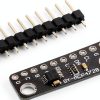
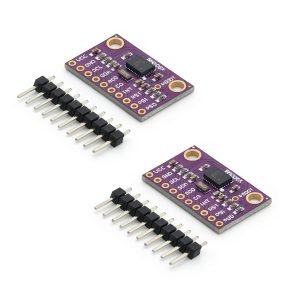
The MCP4728 DAC breakout from DIYmall is a versatile 12‑bit digital‑to‑analog converter designed for developers who need precise voltage outputs across multiple channels. This four‑channel module supports both I2C and parallel interfaces, allowing seamless integration with a wide range of microcontrollers, including Arduino, Raspberry Pi, and ESP32. The device operates from a supply voltage of 2.7 V to 5.5 V, making it suitable for battery‑powered projects as well as mains‑derived systems. On‑board EEPROM stores DAC codes and I2C address bits, ensuring that calibration data and configuration settings persist after power loss. The module also offers an internal or external voltage reference selection, giving users flexibility to match the reference voltage to their specific application requirements. Its compact dimensions (4.96 × 4.29 × 0.24 in) and low weight (0.528 oz) enable easy board‑mount or freestanding installations, while the robust lead‑frame construction provides reliable electrical connections for long‑term use.
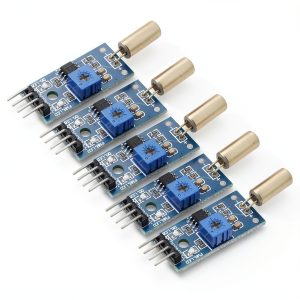
![[Product front view showing all components]](https://www.canvasart.store/wp-content/uploads/2026/08/97cb28c2cfe248259373cf3b8cf99242.jpg)
Usage
This DAC is ideal for a variety of real‑world scenarios where accurate analog voltage generation is critical. In sensor calibration rigs, the MCP4728 can generate reference voltages to fine‑tune sensor outputs, ensuring measurement accuracy across temperature ranges up to 125 °C. For closed‑loop servo control, the four independent channels allow simultaneous control of multiple actuators, while the LDACn pin enables synchronized updates for smooth motion. Portable instrumentation, such as handheld multimeters or data acquisition units, benefit from the low power consumption and the ability to store calibration constants in EEPROM. The module also fits well in PC peripheral projects, providing programmable voltage sources for audio equipment, LED drivers, and custom power supplies. Its compatibility with Arduino libraries means that hobbyists can quickly prototype and test designs without writing low‑level I2C code from scratch.
Why Choose Us
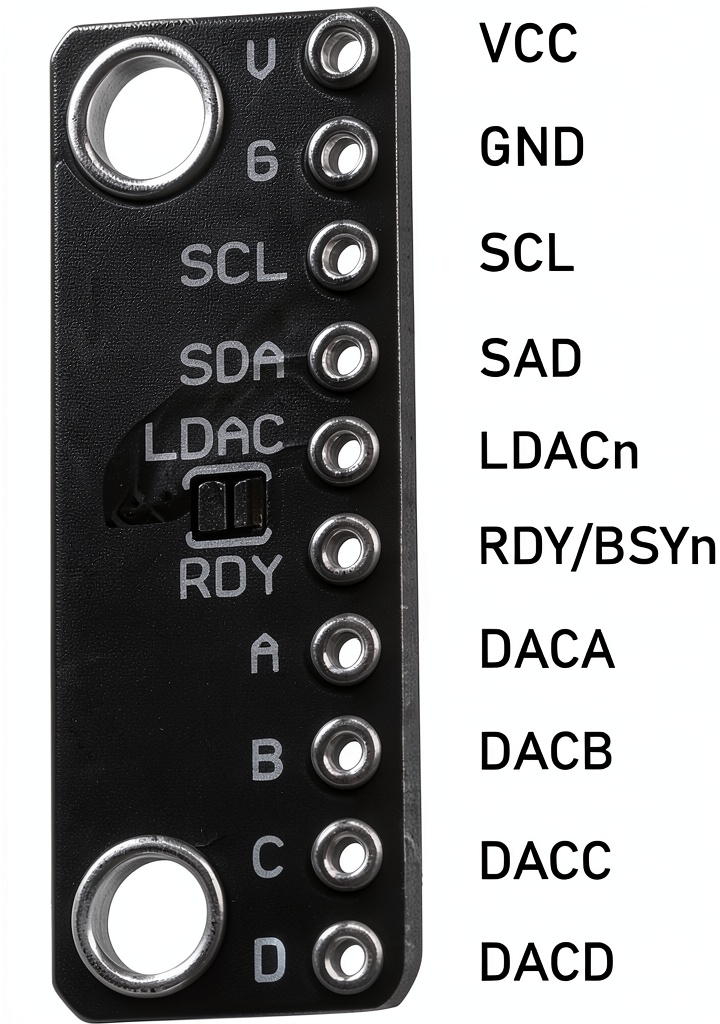
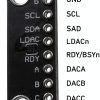
DIYmall stands behind the quality of every component it ships. The MCP4728 DAC breakout undergoes rigorous testing to meet industrial standards, reflected in its high customer rating of 5.0 stars from five verified reviews. The inclusion of non‑volatile EEPROM ensures that your calibration data remains intact, reducing downtime and maintenance effort. Our design emphasizes ease of use: clear silkscreen markings, a standard 10‑pin header, and comprehensive documentation accelerate development cycles. Additionally, we provide responsive technical support and a one‑year warranty, giving you confidence that any issues will be addressed promptly. When you select this module, you benefit from a combination of precision engineering, reliable performance, and a commitment to customer satisfaction that distinguishes DIYmall from generic component suppliers.
Key Features
- Four independent 12‑bit channels deliver smooth, high‑resolution voltage steps for precise control.
- On‑board EEPROM retains DAC settings and I2C address, eliminating the need for re‑calibration after power loss.
- Dual interface support (I2C and parallel) offers flexibility for a wide range of microcontroller platforms.
- Compact board‑mount design fits easily into tight spaces while maintaining robust electrical connections.
- Dedicated DIYmall technical support and one‑year warranty ensure reliable after‑sales assistance.
FAQ
What voltage range can the MCP4728 output?
The DAC can output voltages from 0 V up to the selected reference voltage, typically 2.5 V, 4.096 V, or the supply voltage (up to 5.5 V). Users can also connect an external reference for higher output ranges.
How do I store calibration data in the module?
Calibration values are written to the on‑board EEPROM via the I2C interface. Once stored, the values persist across power cycles, allowing the DAC to resume calibrated operation automatically.
Can I update all four channels simultaneously?
Yes. By using the LDACn pin, you can latch new values to all channels at once, ensuring synchronized output changes for applications like multi‑axis motor control.
Is the module compatible with 3.3 V logic?
Absolutely. The MCP4728 operates from 2.7 V to 5.5 V, making it fully compatible with 3.3 V microcontrollers such as the ESP32, STM32, and many modern Arduino boards.
What is the recommended method for connecting the DAC to an Arduino?
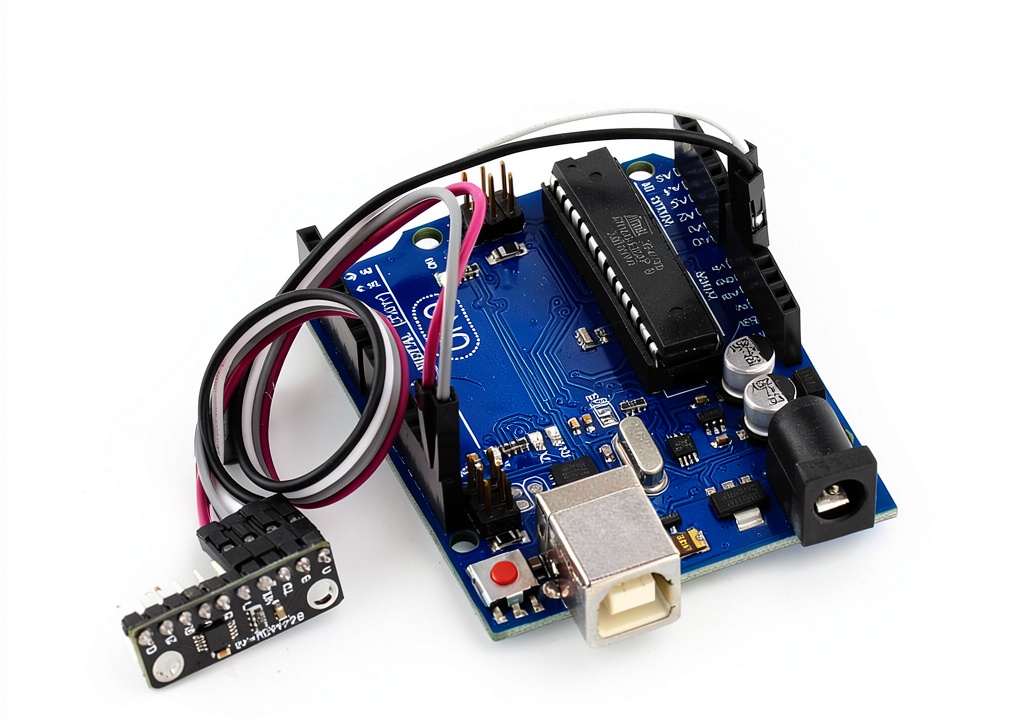
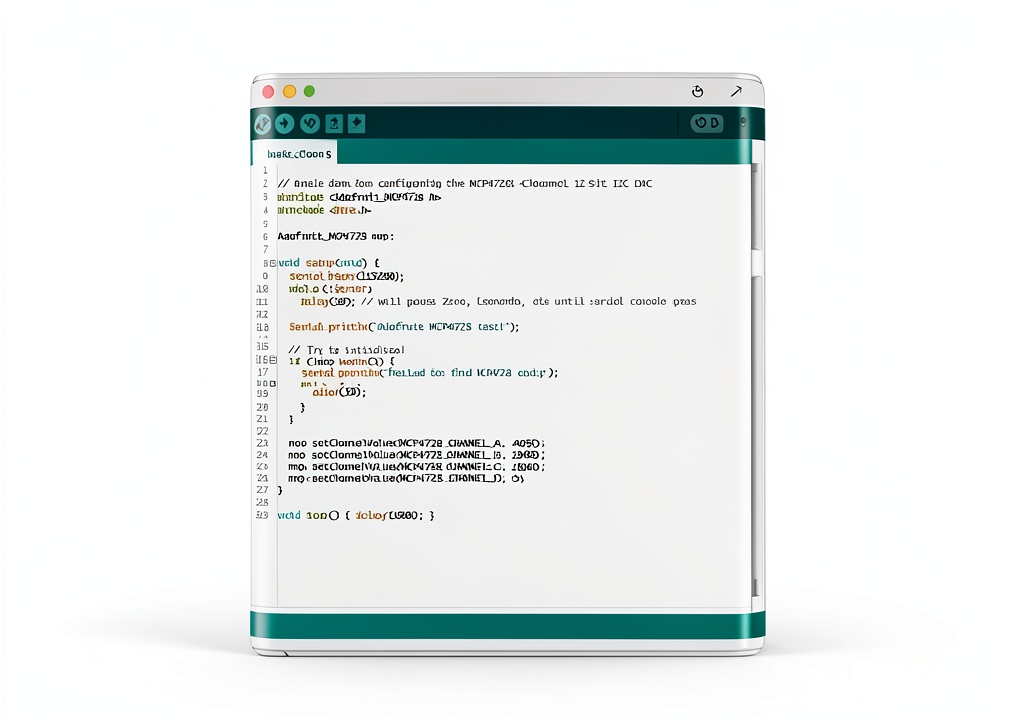
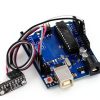
Use the standard I2C pins (SDA and SCL) on the Arduino, connect the VCC and GND pins to the appropriate power rails, and include pull‑up resistors if they are not already present on your board. The DIYmall library provides example sketches to get you started quickly.
 Japanese Biography Kindle eBook by Unknown Author True Account
Reviews
There are no reviews yet.