
Description
Product Overview
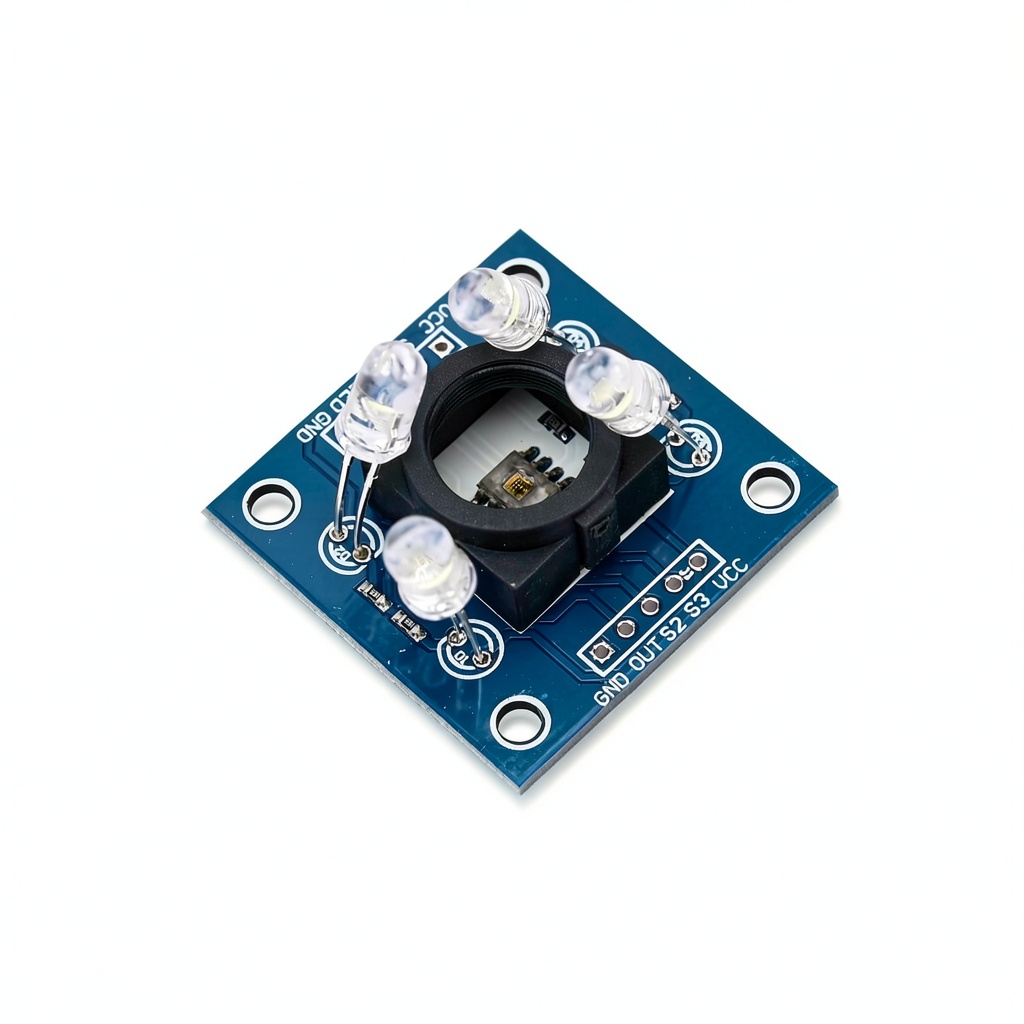
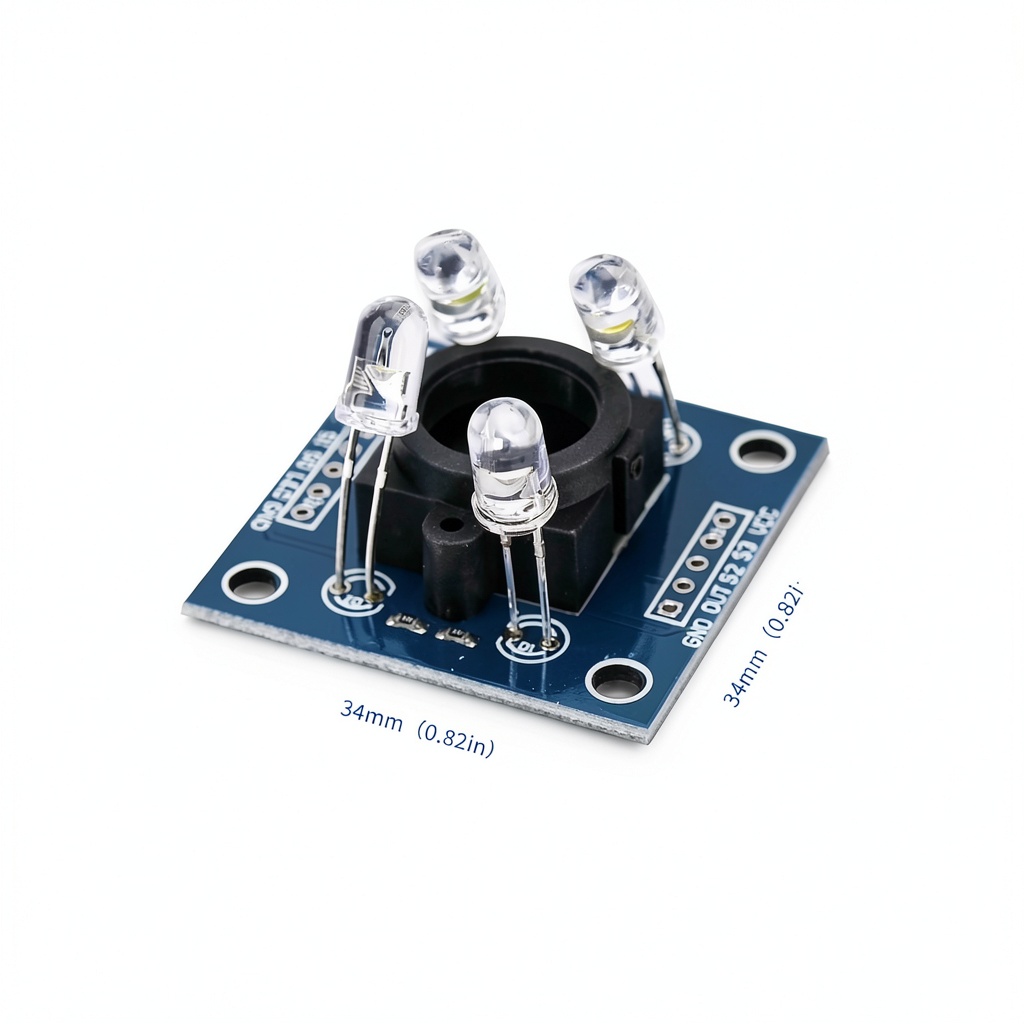
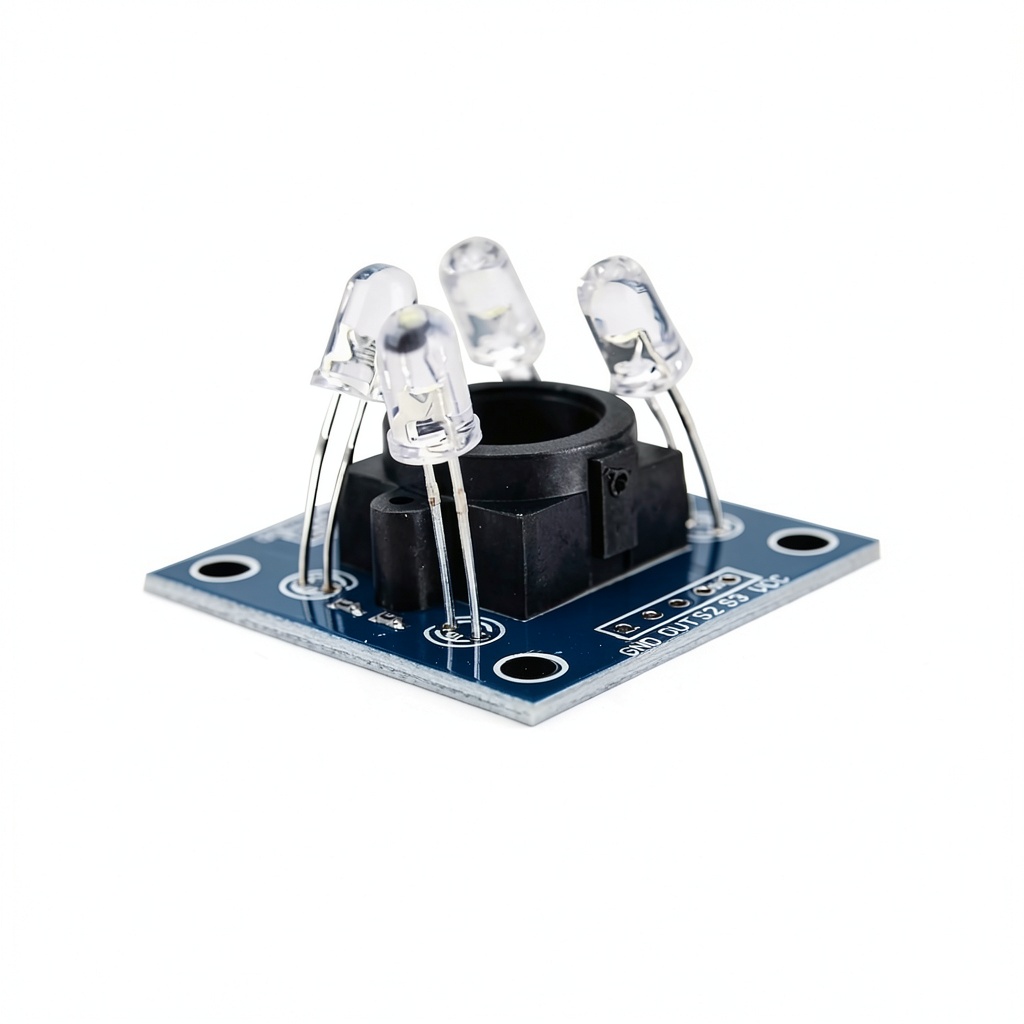
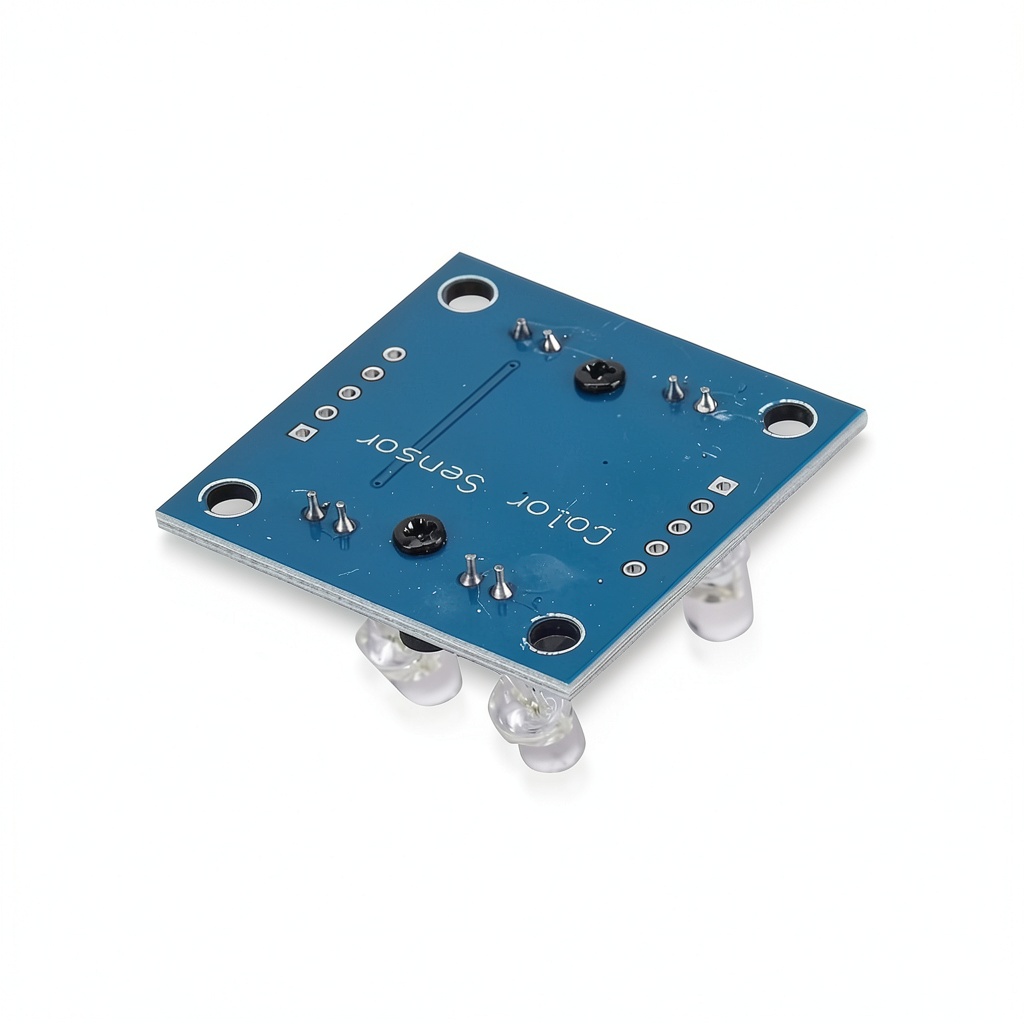
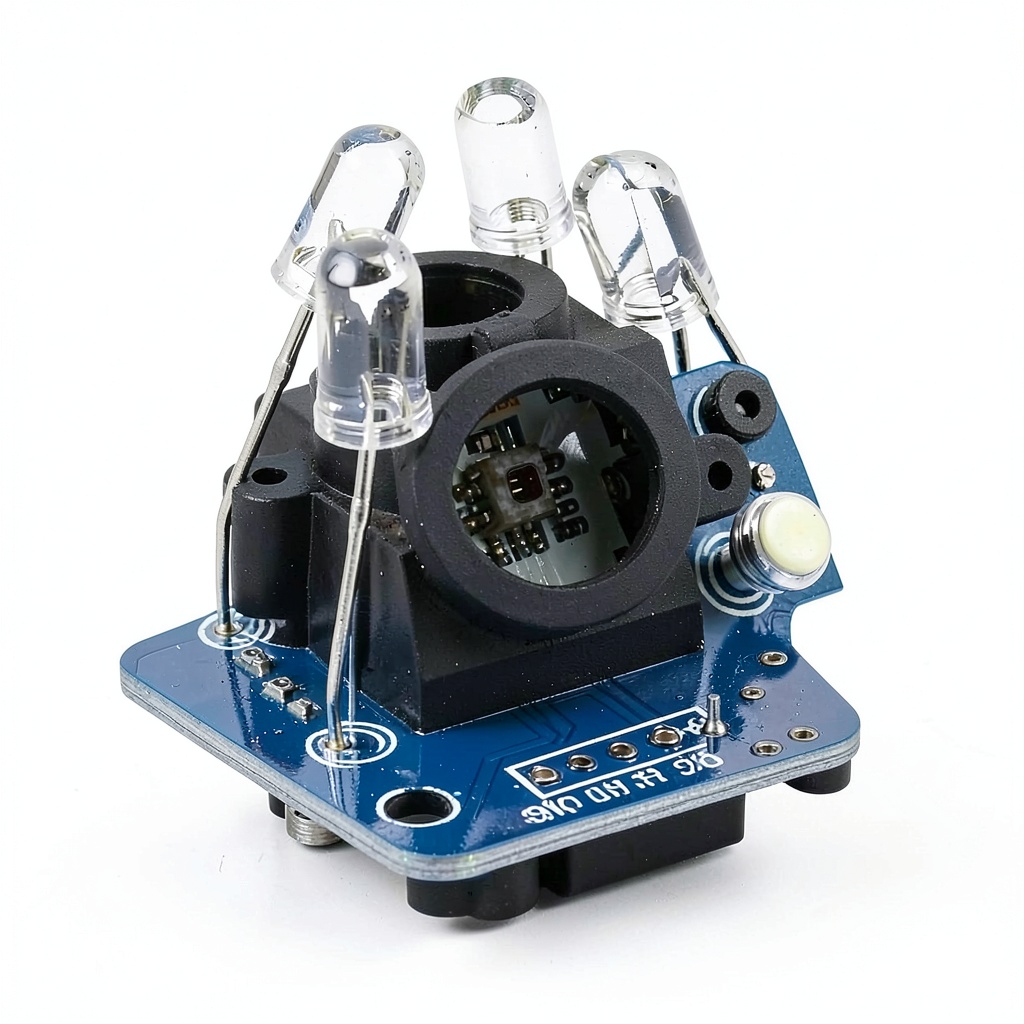
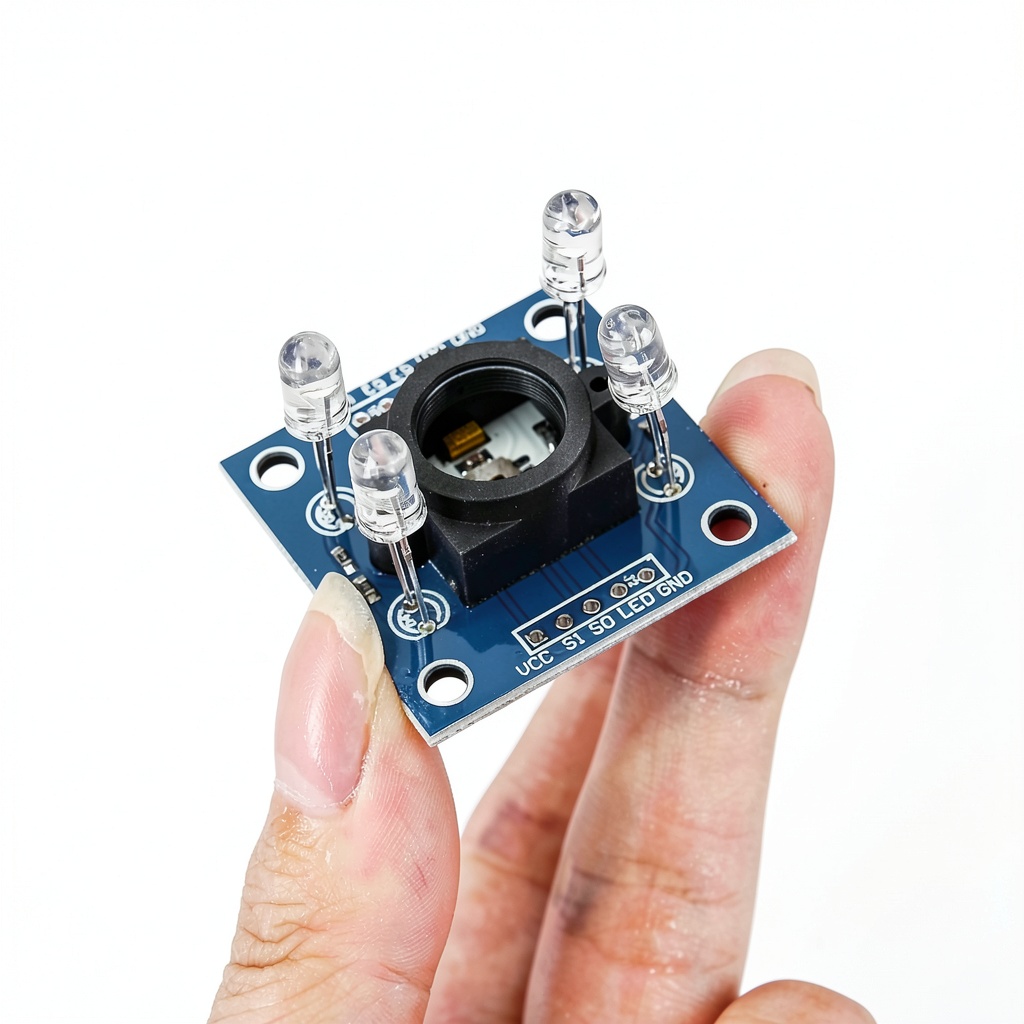
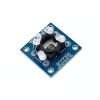
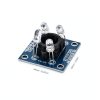
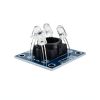
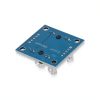
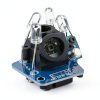
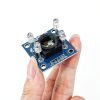
The GY-31 color sensor module combines the proven TCS230 technology with the newer TCS3200 chip, delivering a powerful yet easy‑to‑use solution for detecting the color of objects that do not emit their own light. Housed in a compact 33 mm × 25 mm PCB, the module operates on a low 3‑5 V supply, making it compatible with a wide range of microcontroller platforms, especially the popular Arduino family. The integrated white LED can be switched on or off via a dedicated control pin, allowing users to illuminate the target object precisely when needed, which improves detection accuracy in low‑light environments. The module’s gold‑plated contacts and imported chip ensure reliable electrical performance and long‑term durability, while the upgraded TCS3200 sensor provides faster response times and higher resolution compared with the older TCS230 version. Detailed specifications include a package size of 33 mm × 25 mm, a weight of 0.35 oz, and a robust PCB layout designed for easy soldering and integration into prototype or production boards.
Usage
Designed with makers, hobbyists, and professional engineers in mind, the GY-31 module fits seamlessly into projects ranging from simple color‑sorting toys to sophisticated industrial inspection systems. Its 3‑5 V operating range means it can be powered directly from the Arduino’s 5 V pin or from a dedicated regulator for battery‑powered applications. In robotics, the sensor can be mounted on a gripper to identify objects by color before picking them up, enabling more intelligent manipulation. In smart lighting, the module can feed real‑time color data to a microcontroller that adjusts LED strips to match ambient conditions or user preferences. For educational purposes, the clear pinout and straightforward programming interface make it an excellent teaching tool for concepts such as photodiode arrays, frequency‑to‑color conversion, and signal processing. The ability to control the on‑board LED also allows users to experiment with different illumination angles and intensities, tailoring the sensor’s performance to specific materials like fabrics, plastics, or printed inks.
Why Choose Us
Podazz’s commitment to quality is evident in every aspect of the GY-31 module. The sensor uses an original imported TCS3200 chip, which undergoes a gold‑plating process to protect against corrosion and ensure consistent electrical contact over years of operation. Each unit is tested for accurate color response across the full visible spectrum, guaranteeing that developers receive reliable data out of the box. The upgraded TCS3200 chip offers a higher pulse‑frequency output, translating to finer color resolution and quicker sampling rates, which are critical for real‑time applications such as line‑following robots or dynamic lighting control. Additionally, Podazz provides comprehensive documentation, example Arduino sketches, and responsive technical support to help users get up and running quickly. With a competitive price point of under $10, the GY-31 delivers professional‑grade performance without the premium cost, making it an attractive choice for both low‑volume prototypes and larger production runs.
Key Features
- Compact 33 mm × 25 mm footprint fits tight spaces and lightweight designs
- Operates on 3‑5 V, compatible with Arduino, Raspberry Pi, and other microcontrollers
- Integrated white LED with programmable control for consistent illumination
- Upgraded TCS3200 chip delivers faster response and higher color accuracy
- Gold‑plated contacts and rigorous testing ensure long‑term reliability
- Comes with full documentation, example code, and dedicated technical support
FAQ
What voltage range does the GY-31 sensor support?
The module is designed to operate safely within a 3 V to 5 V range, allowing direct connection to most Arduino boards and other 5 V logic systems.
Can the on‑board LED be disabled?
Yes, the LED is controlled by a separate pin; setting this pin low turns the LED off, which is useful when ambient lighting is sufficient or when power consumption must be minimized.
How does the sensor differentiate between colors?
The TCS3200 chip measures the intensity of red, green, and blue light reflected from the target object and converts these readings into a frequency output that the microcontroller can translate into precise color values.
Is the module suitable for detecting colors of moving objects?
Thanks to the fast response time of the upgraded TCS3200 chip, the sensor can reliably capture color data from objects moving at moderate speeds, making it ideal for conveyor‑belt sorting or robotic applications.
What kind of support does Podazz provide?
Podazz offers detailed datasheets, wiring diagrams, sample Arduino sketches, and a responsive customer service team that can assist with integration, troubleshooting, and optimization of the sensor in various projects.
Reviews
There are no reviews yet.